
Paint & Hide: Color Guys
HIGAME GLOBALCasual
3.117.00 Reviews
- Version
- 0.7
- Installs
- 1.00M
- Age Rating
- Everyone 10+
Screenshots
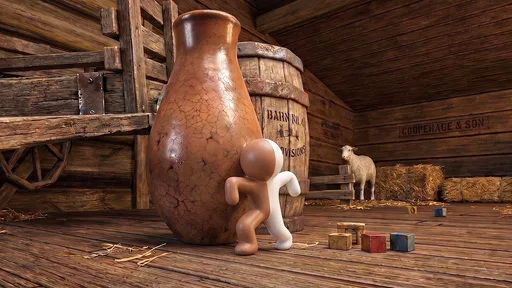
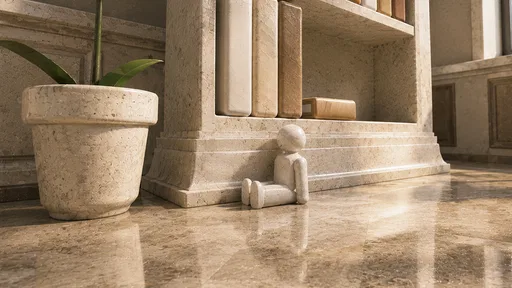


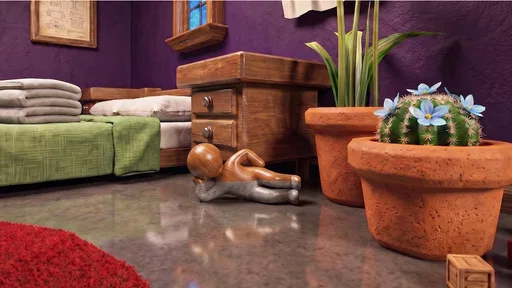
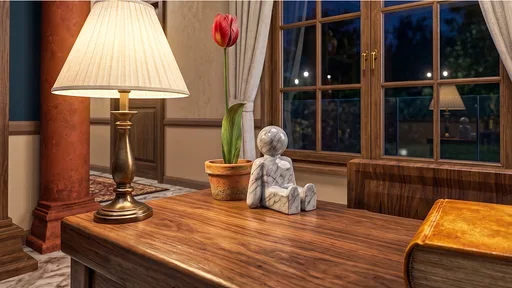
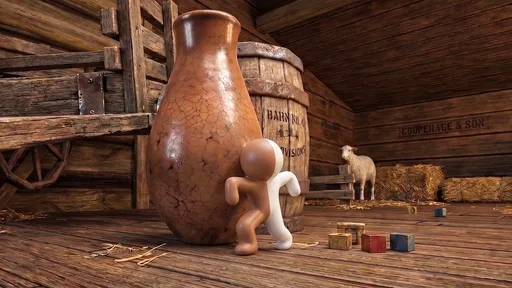
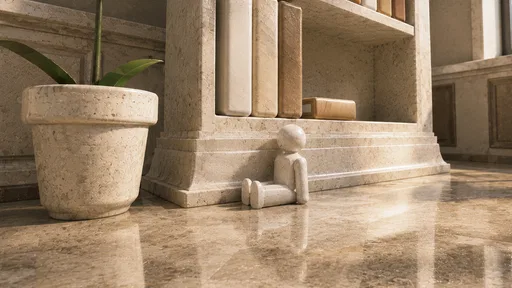
Our Review of Paint & Hide: Color Guys
 Analysis by Appyee
I approached Paint & Hide: Color Guys as a quick casual game rather than a long-form challenge, and that framing matters. Its central idea is easy to understand: paint characters, blend them into their surroundings, and try to hide well enough to avoid attention. The concept is immediately approachable, but the real question is whether the simple loop stays satisfying after the novelty of the first few rounds fades.
My first impression is that this is best suited to short sessions. It does not ask you to learn a complicated control scheme or memorize a large set of rules before playing. Instead, the appeal comes from looking at a scene, deciding how much color to apply, and judging whether the result is convincing. That gives the game a playful puzzle quality, even though it remains firmly in the casual category.
The game is free to download, carries an Everyone 10+ content rating, and is made by HIGAME GLOBAL. It has reached over a million installs, which suggests that the basic paint-and-hide premise has found a broad audience. Its current version is 0.7, and it runs on Android 9 or later. Those details make it accessible to many everyday Android users, especially people looking for something lighter than a competitive action game.
How the paint-and-hide loop feels in practice
I find the paint-and-hide loop easiest to judge when I treat each round as a quick visual check rather than a race: notice the strongest mismatch, make a small adjustment, then see whether the character reads as part of the scene. That approach makes the color choices feel more deliberate and gives me a clearer sense of what the game is asking me to improve. From there, it is worth considering how the experience holds up during longer or more demanding play.
A simple idea with a useful visual challenge
The strongest part of the design is the relationship between color and concealment. Painting is not just decoration; it is the action that determines whether a character can blend into the scene. I found that this creates a small but meaningful decision each time I play. A fast, careless splash may leave an obvious mismatch, while a more deliberate approach makes the hiding objective feel earned.
That visual judgment is more interesting than a basic tap-to-win mechanic. I am not only asking which button to press. I am also scanning the environment, comparing tones, and considering whether the character will still stand out from a distance. Even when the scene is straightforward, the act of matching a surface gives the round a clear purpose.
The store summary presents the game as a way to paint, blend, and become a camouflage master. In my experience, the useful interpretation is not that it offers a deep art tool, but that it turns color matching into a compact game objective. Anyone who enjoys visual puzzles, hidden-object ideas, or playful stealth should understand the attraction quickly.
Why it works well for short breaks
I would use this game during a short wait, after finishing a small task, or when I want something that does not demand a long uninterrupted session. The premise is readable almost immediately, so I do not need to spend time rebuilding complex strategies after putting it down. That makes it more convenient than many casual games that rely on extended progression or constant daily attention.
A realistic example would be a commute with only a few spare minutes. I could open the game, complete a handful of painting and hiding challenges, and close it without feeling that I had abandoned a major objective. That light commitment is one of its practical strengths. It also makes the game suitable for younger players within its age rating, provided a parent is comfortable with the way the game presents its content and spending options.
The trade-off is that short-session design can also limit emotional investment. Players who want a story, a large world, character development, or a demanding mastery system may find the experience too narrow. The game’s pleasure comes from the immediate visual task, not from building a complex identity over many hours.
Small decisions that improve the experience
My first useful tip is to avoid treating painting as a race from the very beginning. I get better results when I inspect the nearby colors before applying anything. The goal is not always to cover the character with the most obvious shade; it is to make the final shape less noticeable against the surrounding area.
A second tip is to think about contrast rather than color in isolation. Two surfaces may look similar when viewed separately but become very different when placed side by side. I found it more helpful to compare the character directly with the background than to choose a color based on a single object.
A third insight is that the game rewards restraint. Overpainting can make the character look unnatural or create a new patch that draws attention. When I focus on correcting the most visible mismatch instead of covering everything, the task feels more controlled. This is a small change in approach, but it turns the game from random coloring into a visual prioritization exercise.
Progress without assuming too much
The current version is 0.7, so I would approach the game as an experience that may still be developing. I can judge the core painting and hiding idea, but I would not treat it as a finished substitute for a large, content-heavy casual title. The version number is worth keeping in mind for anyone who expects extensive refinement or a very broad selection of challenges.
That does not make the game unsuitable. It simply changes what I expect from it. I look for a pleasant central loop, readable objectives, and enough variation to justify opening it again. I do not expect the same depth as a mature puzzle game with years of content behind it. For a free casual download, that distinction helps set a fair expectation before installing.
Where the pressure comes from
The pressure in this game is visual rather than strategic in the traditional sense. I feel it when a character is almost blended but one section remains conspicuous. That creates a satisfying last adjustment, especially when I can identify exactly what is wrong. The tension is modest, but it suits the relaxed tone better than a punishing timer or an aggressive competitive system would.
At the same time, players who need constant escalation may find the pressure too gentle. A camouflage challenge can be enjoyable because it is low-stakes, but that also means the game may not provide enough urgency for someone accustomed to fast reactions, difficult combinations, or ranked competition. I would choose it for calm concentration, not for adrenaline.
Fairness and the question of spending
Because the game is free, I naturally consider whether the experience feels fair to someone who does not want to spend money. The central attraction is the painting-and-hiding activity itself, so my recommendation depends on whether that loop remains enjoyable without turning every useful moment into a demand for payment. I prefer to judge the game by the play it offers directly rather than assume that free access automatically means generous access.
I would also avoid making a purchase decision quickly. If a spending prompt appears, I would first play enough to understand whether it affects the basic enjoyment or only optional convenience. That is a sensible habit with any free mobile game, especially when the listed price is free but the broader purchase experience needs to be considered separately.
The game’s average rating is around 3.1 from roughly 1.4 thousand ratings, with 17 written reviews shown alongside it. I read that as a reason to keep expectations measured rather than as a final verdict. A rating in that range suggests that the simple premise will not work equally well for everyone, and the limited number of written comments means the numerical score carries more weight than detailed public explanation.
For me, competitive fairness is less about comparing scores with other players and more about whether the challenge itself feels understandable. I want to know why a hiding attempt succeeds or fails. If the visual match is clear, I can improve. If the result feels arbitrary, the game loses much of its appeal because the entire experience depends on judging color and visibility.
Who should try it, and who should skip it
I would recommend it to someone who enjoys colorful, low-commitment games and likes the idea of turning camouflage into a hands-on activity. It is particularly suitable for players who appreciate visual observation more than complicated controls. It can also work for families looking for an easy-to-explain game within the Everyone 10+ rating, with an adult checking the broader spending experience first.
I would skip it if I wanted a substantial puzzle campaign, a competitive leaderboard-centered game, or a detailed painting application. The title may involve color, but it should not be chosen as a replacement for a serious drawing tool. Its painting exists to support hiding, not to provide an open-ended creative workspace.
I would also be cautious if repetitive casual loops quickly lose my attention. The game’s entire identity rests on refining a compact idea. If I need frequent new mechanics, character systems, or a strong narrative reason to continue, a larger alternative in the casual category would probably suit me better.
How it compares with familiar casual alternatives
Compared with ordinary coloring games, this one gives color a practical objective. I am not simply filling areas to make a picture attractive; I am trying to reduce visibility. That makes each choice more purposeful, but it also removes some of the relaxing freedom found in open coloring experiences.
Compared with hidden-object games, it reverses the usual role. Instead of searching for something that has already been concealed, I help create the concealment. That is the most distinctive part of the concept and the reason I would choose it over a standard visual search title when I want more direct interaction.
Compared with reflex-based casual games, it is slower and more observational. Quick fingers matter less than noticing mismatched tones and deciding where effort is most useful. That makes it a better fit for a quiet break than for a player who wants constant movement and immediate reactions.
Compared with a full puzzle game, however, it is likely to feel lighter. The appeal is concentrated in the camouflage task rather than in layered logic, long-term planning, or elaborate problem solving. I see that as a deliberate trade-off, not automatically a flaw: the game is easier to enter, but it may offer less depth to players who want a demanding mental workout.
What I would check before committing to it
I would first confirm that my device meets the Android 9 minimum requirement, then give the game enough time to see whether the painting interaction feels precise on my screen. A concept based on color and concealment depends heavily on clear visual feedback. If I cannot easily tell whether a character blends better after painting, the main loop becomes frustrating regardless of how appealing the premise sounds.
I would also pay attention to how often the game interrupts play. In a short-session title, interruptions have a larger effect because a single prompt can take up a noticeable part of the time I planned to play. I would not assume that the free label answers every question about the spending experience; I would make that judgment from what appears during actual use.
Another practical consideration is tolerance for repetition. The game makes sense as a quick, repeatable activity, but that format works best when I enjoy making small visual improvements. If I need a clear long-term destination, I may run out of reasons to continue sooner than someone who enjoys repeating compact challenges.
My trust verdict
My overall view is cautiously positive. The game has a clear identity, an approachable premise, and a useful difference from ordinary coloring or hidden-object titles. I like that the player is given a visual problem to solve rather than being asked to tap without understanding the result. The camouflage angle gives the casual format enough personality to justify trying it.
My recommendation comes with limits. I would not describe it as a deep puzzle experience, a serious art tool, or a competitive game. I would also keep the current version in mind and avoid expecting the breadth of a long-established title. Its best use is as a free, easy-to-start diversion for players who enjoy color matching, visual judgment, and short rounds.
If that sounds like your kind of break, I think Paint & Hide: Color Guys is worth trying without treating it as a major long-term commitment. Start slowly, compare the character with the background rather than guessing from memory, and focus on correcting the most visible mismatch first. Those habits make the central challenge clearer and help reveal whether the game’s modest, visual loop is genuinely enjoyable for you.
Verdict
Strengths of Paint & Hide: Color Guys
- Simple coloring mechanics are easy for children and casual players to understand.
- Short levels make it convenient for quick play sessions.
- Bright visuals give the game a cheerful and approachable style.
- Hide-and-seek elements add variety beyond standard coloring puzzles.
- Progress feels rewarding as completed scenes gradually become more colorful.
Limitations of Paint & Hide: Color Guys
- Some levels may feel repetitive after extended play.
- The game can be too easy for players seeking challenging puzzles.
- Ads may interrupt gameplay, depending on the device and connection.
- Small details can be difficult to color accurately on compact screens.
- Limited customization may reduce replay value for older players.
Other Releases by HIGAME GLOBAL
View All
BOBA DIY™: Tasty Tea Simulator
Casual4.5

Idol Prank Video Call & Chat
Casual3.8

Monster DIY: Mix Beats
Music4.5

Keyboard Obby: ASMR Speed Run
Casual4.6
Similar Picks in This Category
View All
My Talking Angela
Outfit7 Limited4.2

My Talking Tom
Outfit7 Limited4.3

Pou
Zakeh4.2

My Talking Tom 2: Pet Game
Outfit7 Limited4.3

Candy Crush Saga
King4.6

Bridge Race
Supersonic Studios LTD4.1
Frequently Asked Questions
What is Paint & Hide: Color Guys, and how does the gameplay work?
Paint & Hide: Color Guys is a casual puzzle and stealth game inspired by colorful hide-and-seek challenges. You move through compact levels, use paint and environmental elements to blend in or complete objectives, and avoid being caught by opponents. The gameplay is designed to be easy to understand, with short rounds that gradually introduce new obstacles, hiding situations, and timing-based decisions.
Is Paint & Hide: Color Guys free to download and play?
The game can generally be downloaded for free, allowing you to try its main levels without paying upfront. However, free mobile games may include advertising, optional purchases, or other monetization features. Before downloading, check the store listing for the current details, especially if you want to remove ads, unlock extra content, or obtain cosmetic items and other in-game advantages.
Does Paint & Hide: Color Guys require an internet connection?
An internet connection may be useful for loading advertisements, synchronizing progress, and receiving updates, even if the basic gameplay works offline in some situations. Availability of offline play can vary according to the version installed and the device being used. If you plan to play while traveling or without mobile data, test the game offline after installation rather than assuming every feature will remain available.
Is Paint & Hide: Color Guys suitable for children?
Paint & Hide: Color Guys uses bright colors, simple controls, and non-realistic cartoon-style action, making it approachable for younger players and casual gamers. Nevertheless, parents should review the age rating, advertising, in-app purchase settings, and privacy information before allowing children to play. If the game is used on a shared device, parental controls can help prevent accidental purchases or access to unsuitable advertisements.
What devices are compatible with Paint & Hide: Color Guys?
Compatibility depends on the Android or iOS version, available storage, and the hardware requirements specified by the official store listing. Because updates can change device support, it is best to check the current requirements before downloading. The game is intended for modern smartphones and tablets, but older devices may experience slower loading, reduced performance, or limited access to newer levels and visual effects.
Play our best games!


